






Commercial HVAC Services in Hedwig Village, TX
Commercial HVAC Services in Hedwig Village, TX
Commercial HVAC systems in Hedwig Village, TX must handle long, humid summers, intermittent gulf-front weather, and the higher occupancy loads of offices, retail centers, medical suites, and light industrial spaces. Effective commercial HVAC services go beyond repairs. They include design and load calculations, preventive maintenance programs, rooftop unit installation and replacement, response, lease and service contract options, and code compliance oversight.
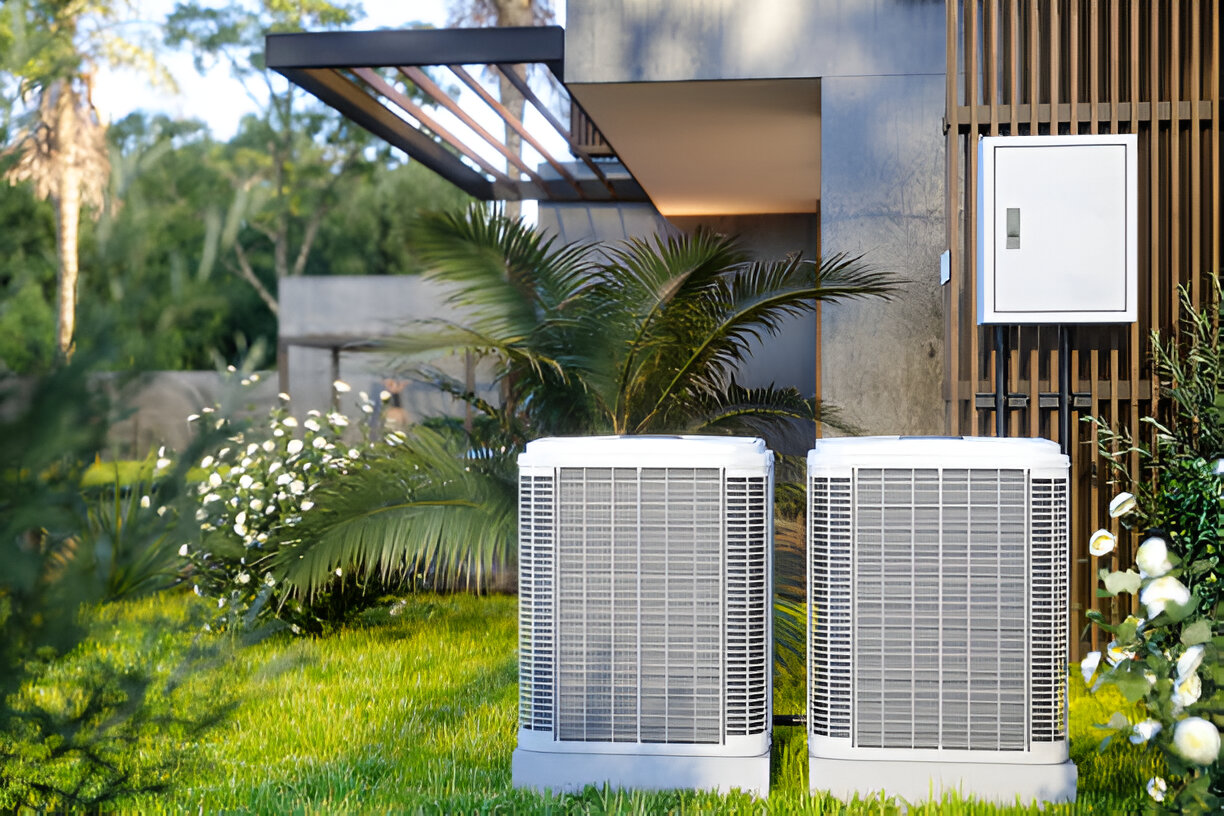
Common commercial HVAC issues in Hedwig Village, TX
- High humidity and inadequate dehumidification leading to tenant discomfort, mold risk, and indoor air quality complaints.
- Rooftop unit failures after years of exposure to heat, sun, and occasional storms.
- Inefficient system sizing that causes short cycling, uneven temperatures, and high utility bills.
- Poor filtration and ventilation that increase HVAC load and compromise indoor air quality for high-occupancy spaces.
- Reactive maintenance cycles that increase repairs and shorten equipment lifespan.
Understanding these problems helps prioritize solutions that address both comfort and total cost of ownership.
Commercial HVAC service types and when each is appropriate
- Rooftop unit installation and replacement: Best when existing equipment is beyond economic repair or when upgrading to higher-efficiency models. Modern rooftop units offer better modulating controls, improved filtration, and integrated economizers tailored to Houston-area climates.
- System design and load calculations: Proper sizing using accurate heat gain and loss calculations, accounting for Hedwig Village climate, solar exposure, internal gains, and ventilation needs. Correctly sized systems improve comfort, efficiency, and equipment life.
- Lease and service contract options: Flexible structures from time-and-materials hookups to full-service agreements that include parts, labor, and scheduled maintenance. Leasing options spread capital costs while preserving performance through bundled maintenance.
- Compliance and code support: Guidance on local building codes, energy requirements, permit processes, and refrigerant handling rules that protect operations and support inspections.
Diagnostic approach and system assessment
A professional commercial HVAC assessment begins with a facility walkthrough and data collection. Typical diagnostic steps:
- Review building plans, occupancy schedules, and historical utility usage.
- Inspect equipment condition: compressors, condensers, evaporator coils, controls, ductwork, and rooftop curbs.
- Perform load calculations and airflow testing to validate system sizing and balance.
- Check refrigerant levels, electrical integrity, and control logic.
- Identify priority fixes, energy-saving upgrades, and deferred maintenance risks.
Reports include clear recommendations, estimated savings for efficiency upgrades, and timelines for required repairs. This transparency helps decision makers in Hedwig Village weigh capital projects versus phased upgrades or leases.
Preventative maintenance program details
A robust preventative maintenance program for commercial properties typically includes:
- Quarterly or semiannual inspections for rooftop units and air handling systems.
- Coil cleaning and condenser maintenance before peak cooling season.
- Filter replacement schedules aligned with occupancy and indoor air quality needs.
- Motor, belt, and pulley checks, plus lubrication where required.
- Control and thermostat calibration and software updates for building automation systems.
- Refrigerant leak detection and remediation to comply with environmental regulations.
- Documentation of all work for warranty compliance and insurance records.
Benefits include fewer repairs, consistent comfort levels for tenants, longer equipment life, and predictable operating budgets.
System design, load calculations, and efficiency upgrades
Well-executed design starts with accurate load calculations and considerations specific to the Hedwig Village microclimate:
- Account for high latent loads caused by humidity and for solar heat gain from large glazing areas.
- Integrate economizers, variable-air-volume systems, and high-efficiency rooftop units to reduce runtime and energy use.
- Design ductwork and zoning to avoid overconditioning and to support occupant comfort for mixed-use buildings.
- Recommend controls and building automation strategies that enable demand control ventilation and scheduling to match business hours.
Efficiency upgrades often pay back through lower utility bills and may support local energy rebate programs.
Lease and service contract options explained
Commercial clients typically choose from several contracting models:
- Time and materials for occasional repairs and ad hoc projects.
- Preventative maintenance contracts that cover scheduled care and priority service.
- Full-service agreements bundling parts, labor, and maintenance for a fixed monthly fee.
- Equipment leasing to convert capital expenditure into operating expense while including maintenance packages to maintain performance.
Choosing the right structure depends on budget, risk tolerance, and facility criticality.
Compliance, code considerations, and environmental requirements
Commercial HVAC work must align with federal and local regulations:
- Proper refrigerant handling and documentation in line with EPA requirements.
- Compliance with local building and energy codes, permit acquisition, and inspection coordination.
- Adherence to indoor air quality guidelines for ventilation and filtration, especially for medical and high-occupancy spaces.
- Records that support code compliance during property transfers or municipal inspections.
Understanding these obligations reduces project delays and helps avoid fines or forced retrofits.
Typical commercial outcomes and value
Well-implemented commercial HVAC services deliver:
- Improved occupant comfort and satisfaction.
- Lower energy consumption and operating costs.
- Reduced repairs and longer equipment life.
- Predictable maintenance budgets and stronger leaseability for commercial properties.
- Documented compliance and easier permitting for future renovations.
Case study summaries from similar projects commonly show reduced downtime and measured energy savings after rooftop unit replacements, successful preventative maintenance rollouts across multi-tenant buildings, and rapid recovery for critical facilities.
For Hedwig Village, TX properties, addressing humidity control, correct system sizing, and a proactive maintenance plan are the highest-impact investments. These steps ensure reliable operation through long cooling seasons and help control energy expenses while protecting tenant comfort and indoor air quality.
Customer Testimonials
Our customers praise our exceptional service and attention to detail, consistently exceeding expectations.